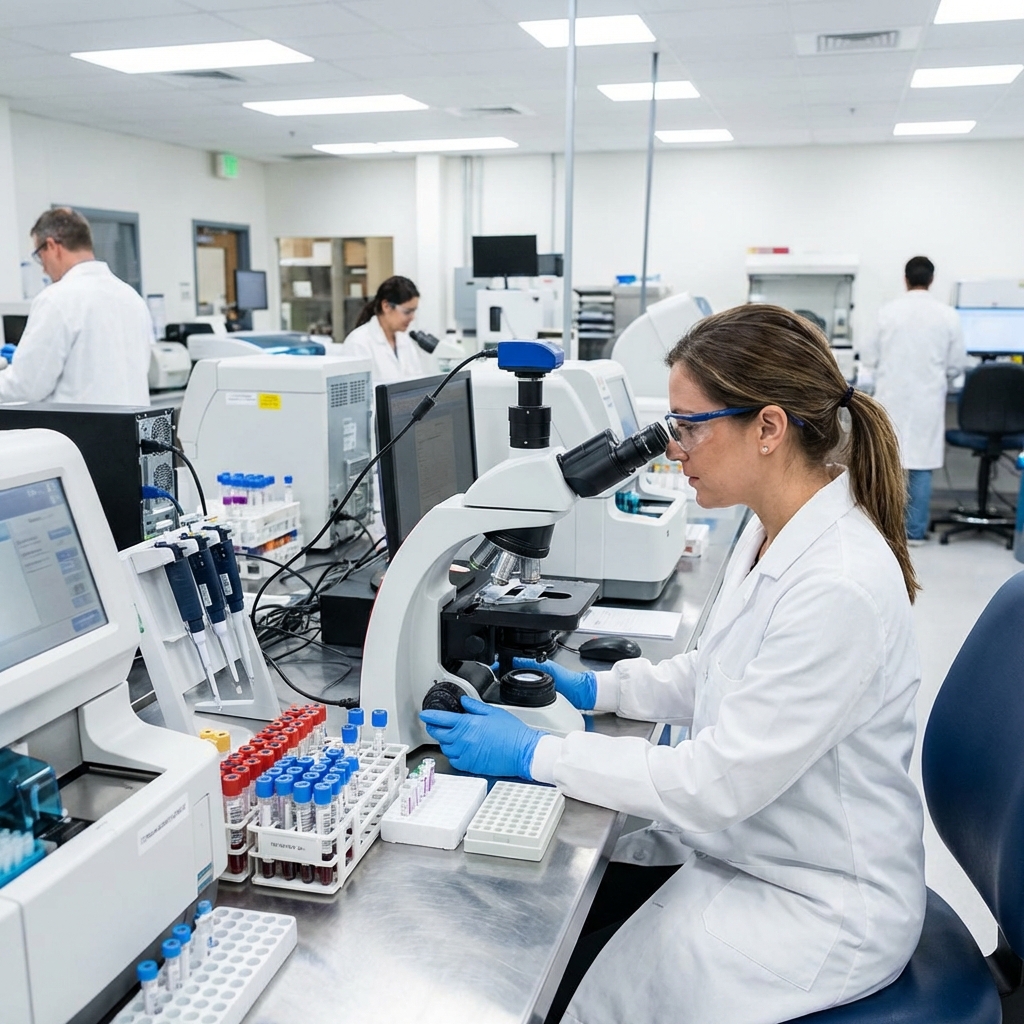
The Importance of Sub-Specialty Expertise in Diagnostics
Would you want a general practitioner performing your heart surgery? Of course not. The same principle applies to diagnostic imaging. While general radiologists are highly skilled, subspecialty-trained radiologists bring focused expertise that can make a critical difference in diagnostic accuracy.
Subspecialty radiologists dedicate their careers to mastering specific areas such as neuroradiology, musculoskeletal imaging, cardiac imaging, or pediatric radiology. This deep expertise allows them to recognize subtle patterns and anomalies that might be less apparent to generalists.
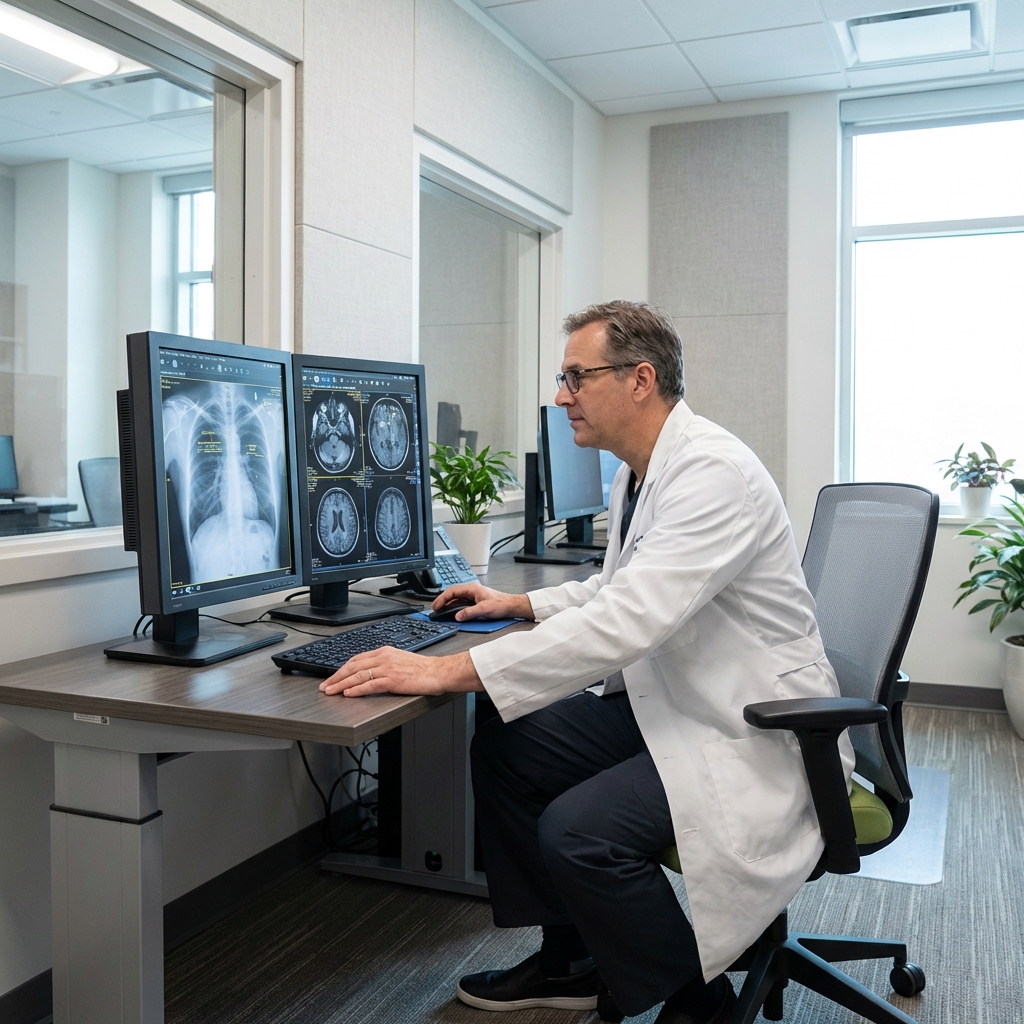
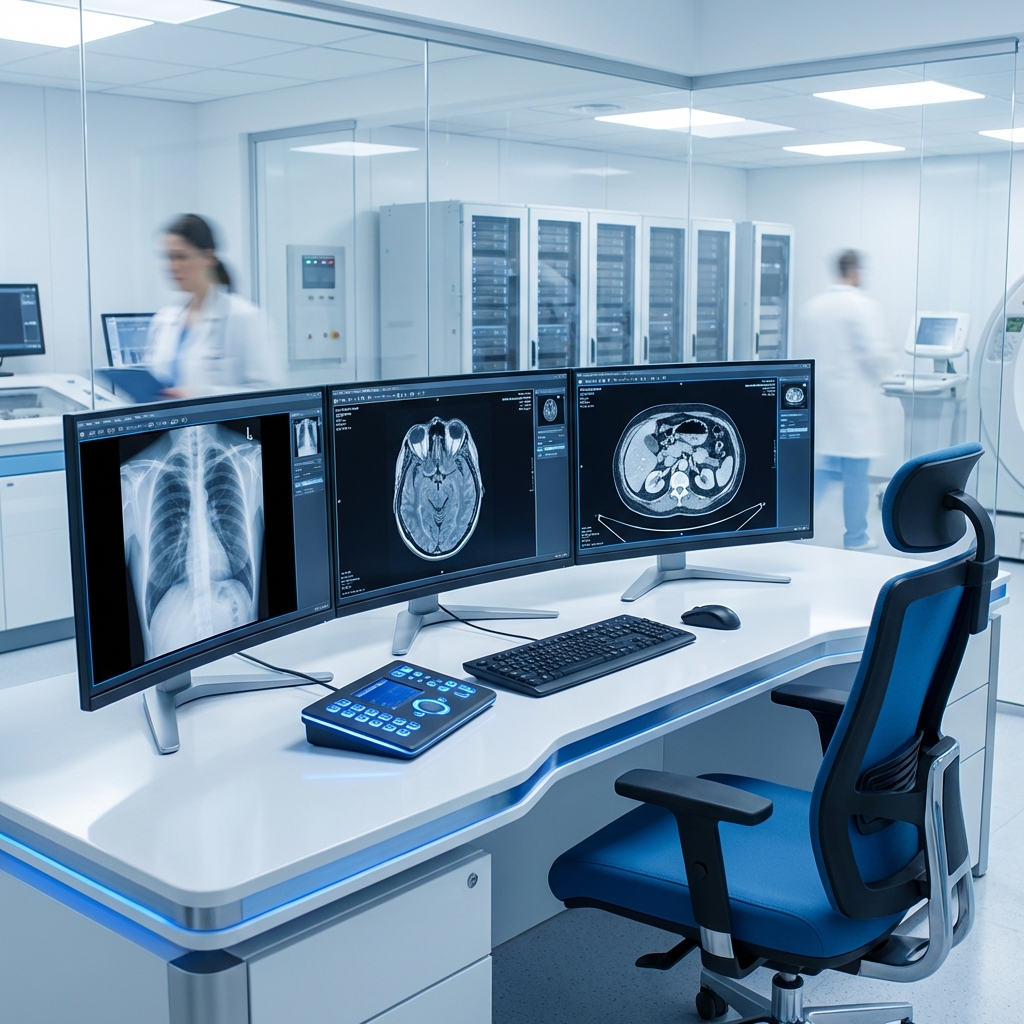
Research consistently shows that subspecialty interpretation improves diagnostic accuracy. For example, studies have demonstrated that neuroradiologists detect significantly more brain lesions than general radiologists, and musculoskeletal specialists are more accurate in diagnosing complex orthopedic conditions.
Teleradiology makes subspecialty expertise accessible to facilities that couldn't otherwise afford full-time specialists. A small rural hospital can now have their complex cases reviewed by leading experts, ensuring that all patients receive the same high-quality diagnostic services regardless of location.

Dr. Priya Sharma
Jan 28, 2026 - 03:45 pmExcellent insights on the current state of teleradiology! We've implemented cloud PACS at our facility and the improvement in workflow efficiency has been remarkable. The 24/7 subspecialty coverage has been a game-changer for our rural patients who previously had to travel hours for expert opinions.
replyJennifer Martinez
Jan 29, 2026 - 09:15 amThank you for sharing your experience, Dr. Sharma! It's wonderful to hear how teleradiology is making such a positive impact on patient care in rural areas. The accessibility of subspecialty expertise is truly transforming healthcare delivery.
reply