Ensuring Data Security and HIPAA Compliance in Remote Reporting
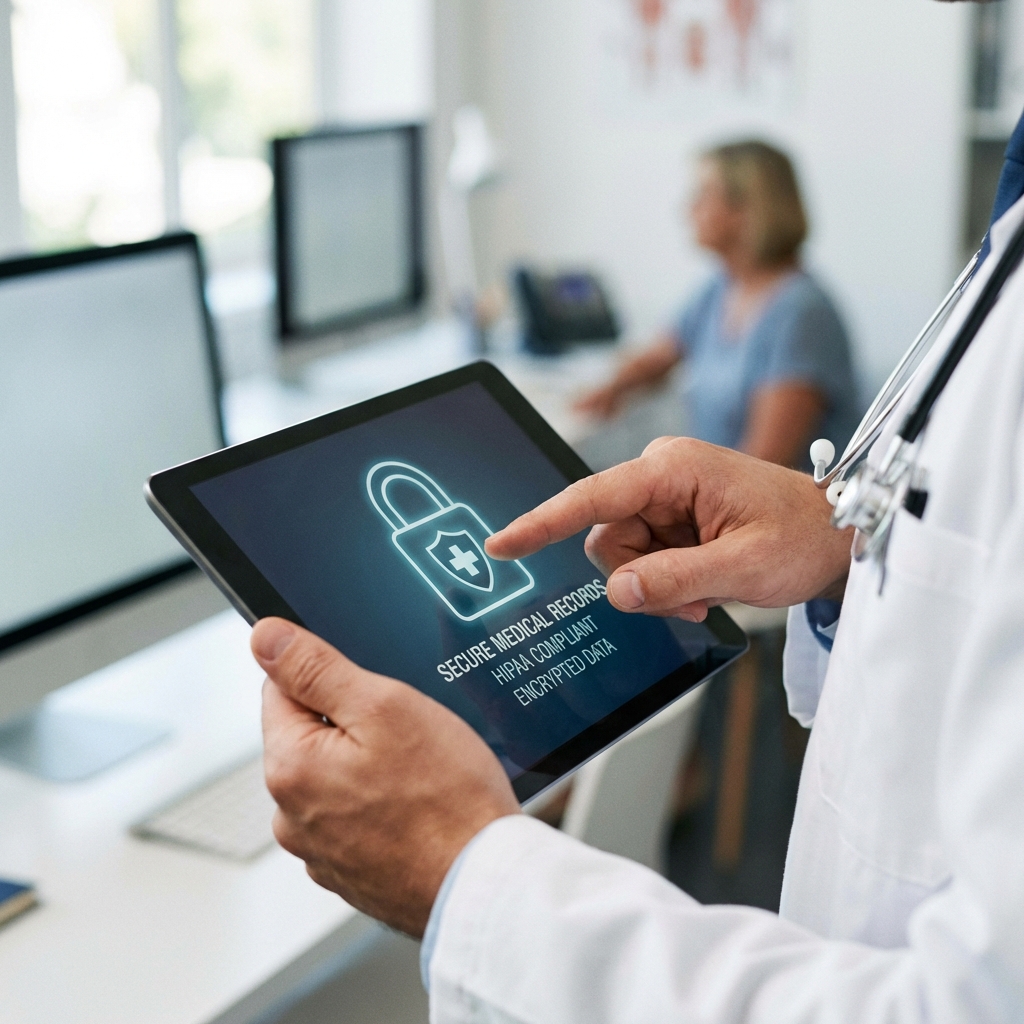
In the era of digital healthcare, protecting patient data is not just a legal requirement—it's a fundamental responsibility. With medical images and reports being transmitted across networks and stored in the cloud, robust security measures are essential to maintain patient trust and regulatory compliance.
HIPAA compliance is the baseline for healthcare data security in the United States. This includes encrypting data in transit and at rest, implementing access controls, maintaining audit logs, and conducting regular security assessments. However, true data security goes beyond meeting minimum regulatory requirements.
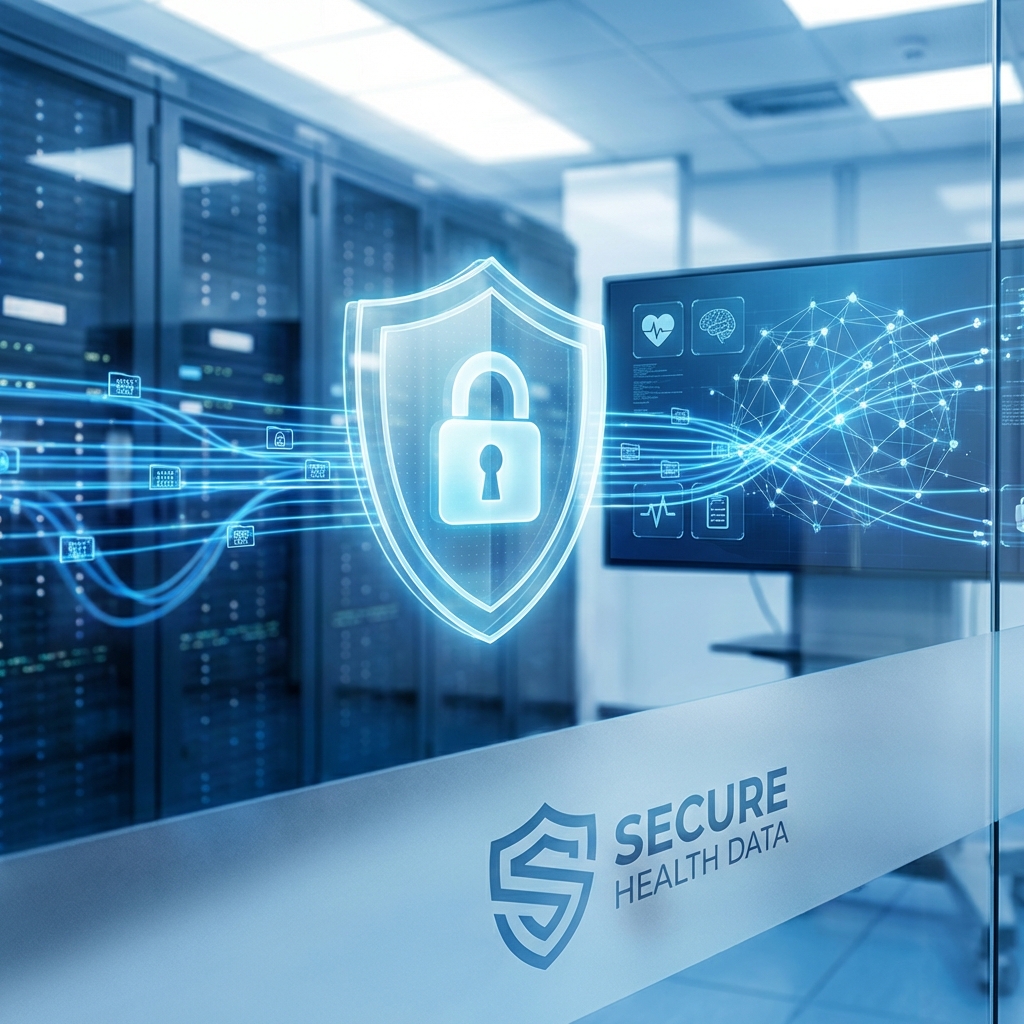

Modern teleradiology platforms employ multiple layers of security. This includes end-to-end encryption using industry-standard protocols, multi-factor authentication for all users, role-based access controls, and regular penetration testing to identify vulnerabilities before they can be exploited.
Business continuity and disaster recovery are also critical components of data security. Cloud-based solutions offer geographic redundancy, ensuring that patient data remains accessible even in the event of hardware failures or natural disasters. Regular backups and tested recovery procedures provide additional peace of mind.

Dr. Priya Sharma
Jan 28, 2026 - 03:45 pmExcellent insights on the current state of teleradiology! We've implemented cloud PACS at our facility and the improvement in workflow efficiency has been remarkable. The 24/7 subspecialty coverage has been a game-changer for our rural patients who previously had to travel hours for expert opinions.
replyJennifer Martinez
Jan 29, 2026 - 09:15 amThank you for sharing your experience, Dr. Sharma! It's wonderful to hear how teleradiology is making such a positive impact on patient care in rural areas. The accessibility of subspecialty expertise is truly transforming healthcare delivery.
reply